
Kuntanawa tribe rapé:
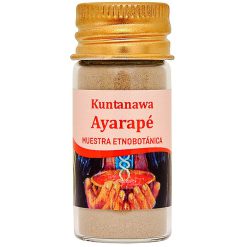
Kuntanawa
28,00€
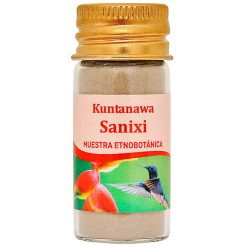
Kuntanawa
26,00€
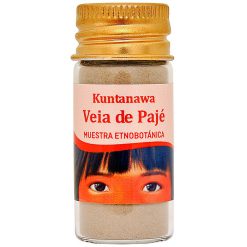
Kuntanawa
29,00€
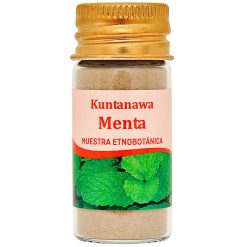
Kuntanawa
25,00€
The Kuntanawa Tribe
In the late 19th and early 20th centuries, the Kuntanawa tribe was virtually exterminated in the heart of the Amazon by armed groups seeking to establish rubber plantations on their lands in the Brazilian state of Acre.
The Kuntanawa have inhabited the Amazon region for centuries, but their history has been marked by contact with colonizers and the exploitation of their resources. During the 20th century, many Indigenous groups, including the Kuntanawa, suffered land loss and population decline due to disease and conflict.
The only surviving descendants of this group are members of a large family, known in the upper Juruá region as the “Milton Caboclos” (caboclo is synonymous with “Indian” in the state of Acre), named after their patriarch, Milton Gomes da Conceição.
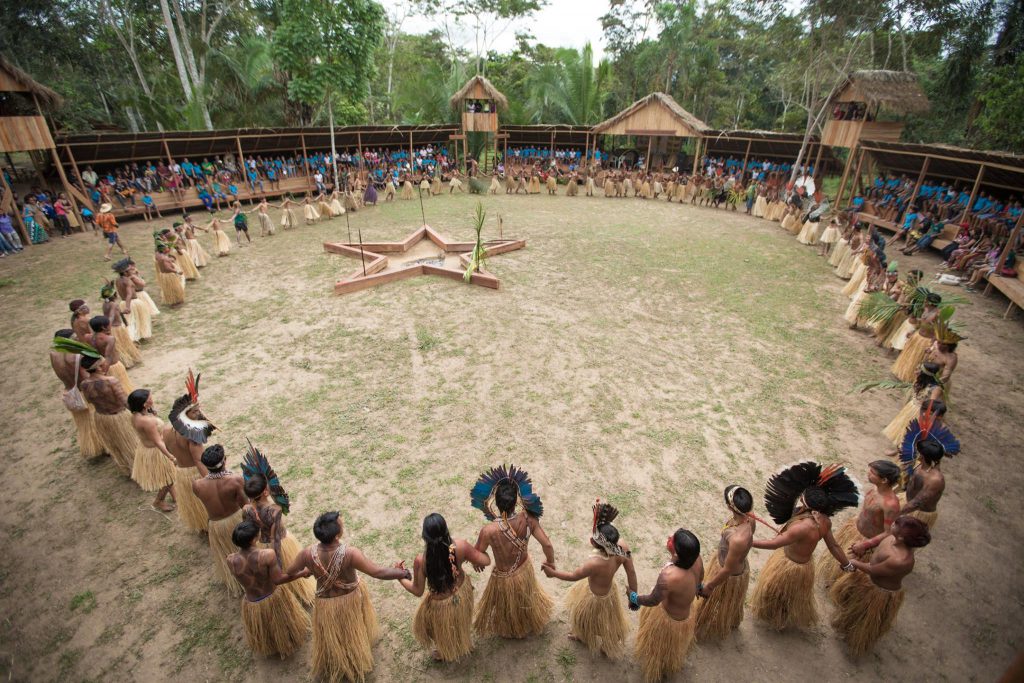
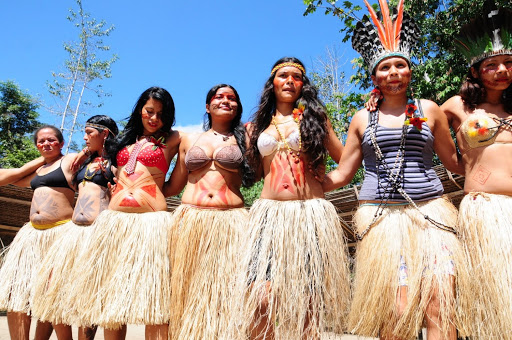
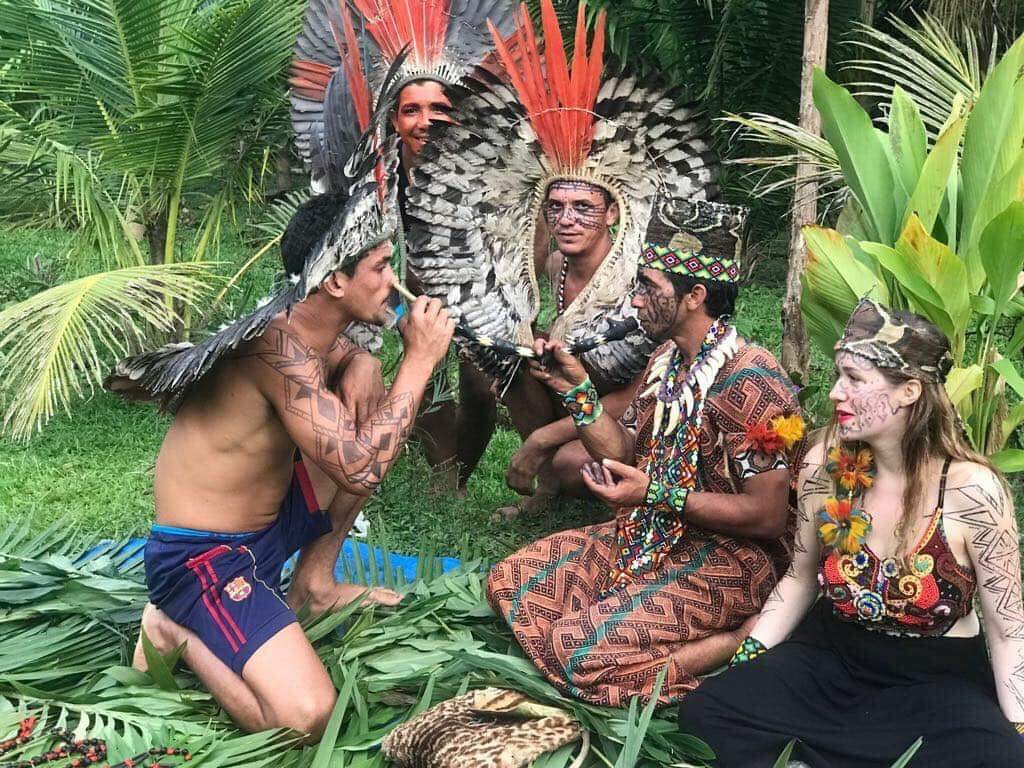
Their current struggle is based on reclaiming the way of life of their ancestors: maintaining the Alto Juruá Extractive Reserve, re-establishing good relations with the indigenous communities of the area, resuming rituals with the ancestral brew ayahuasca, and, above all, preserving the Amazonian territory.
Recently, the group began to call themselves “Kuntanawa” instead of “Kontanawa,” as they had in the past.
In the Panoan languages, more specifically in the Hãtxa Kuin spoken by the Huni Kuin, the word “konta” has no meaning; instead, “kunta” refers to the fruit of the coconut palm (Scheelea phalerata). Thus, Kuntanawa translates as “coconut people.”
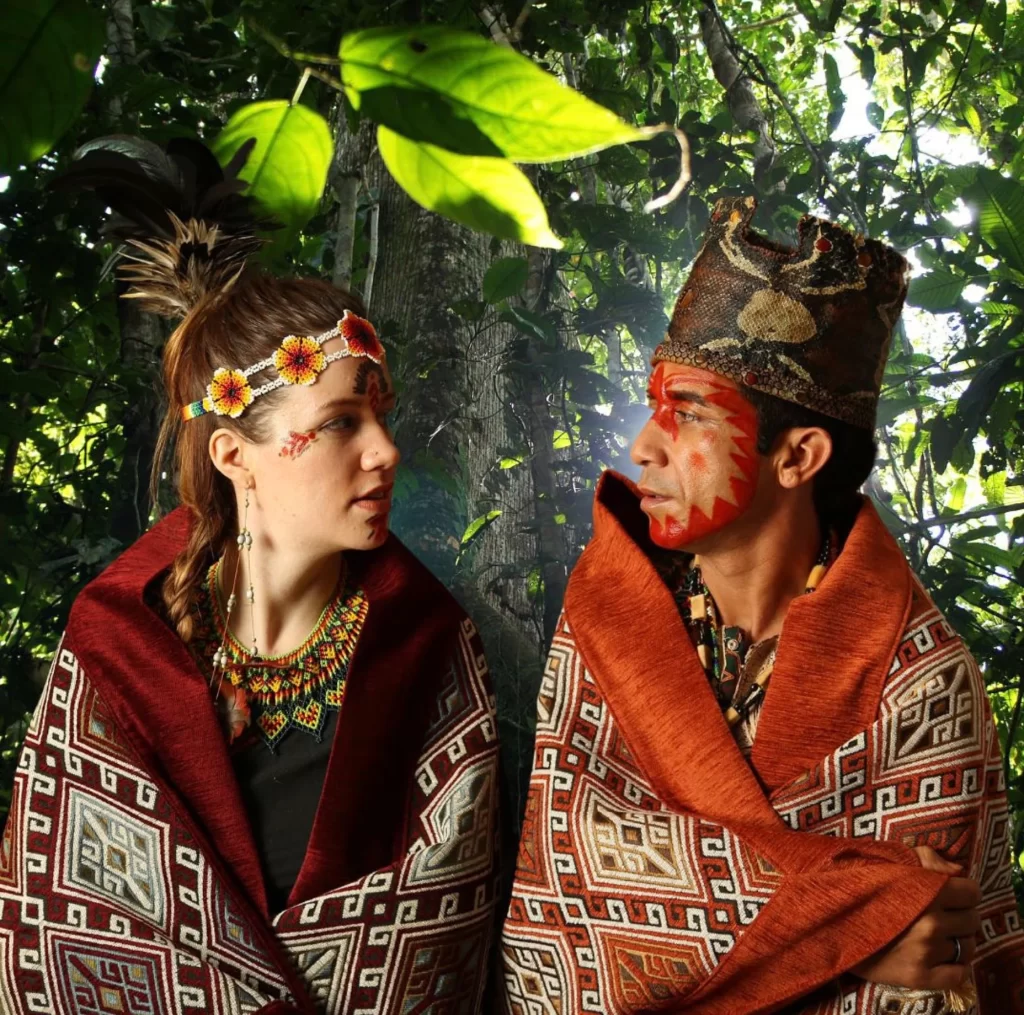
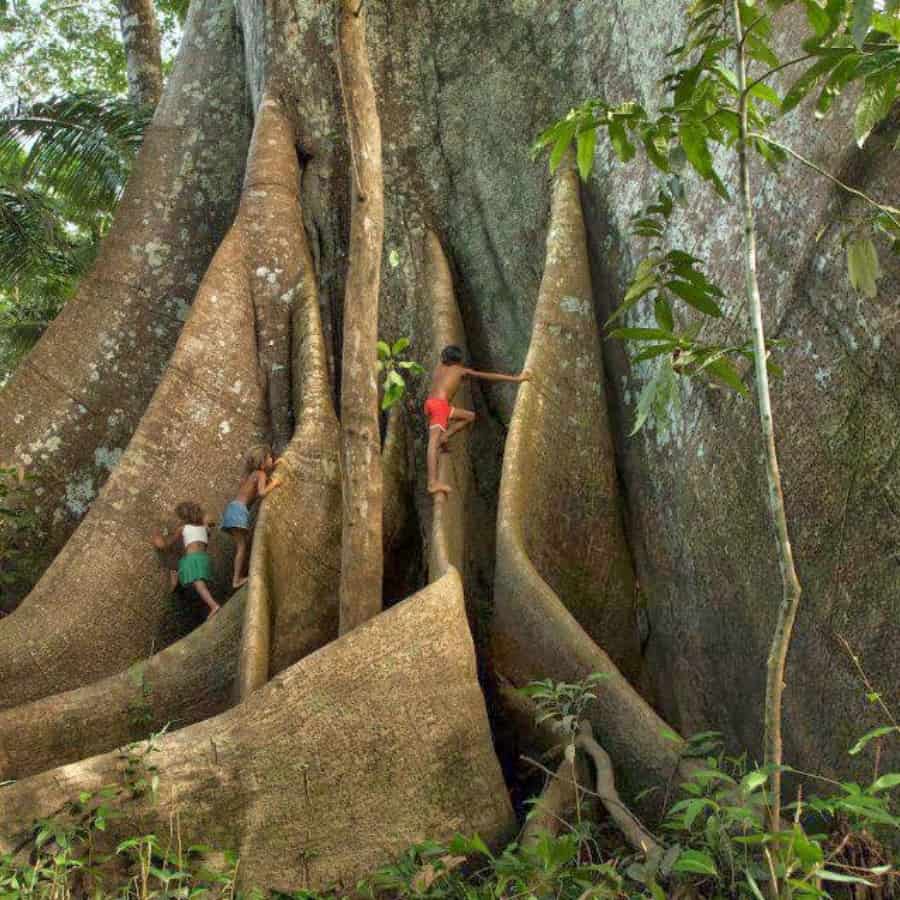
Kuntanawa Society
The Kuntanawa are a people of the Panoan language family, but unfortunately, they no longer speak their indigenous language. All members of the Kuntanawa clan speak Portuguese, and some also speak Spanish.
Efforts have been made to reconstruct their language through fragments still preserved in the memory of the group’s matriarch, Doña Mariana, and through contact with other Panoan-speaking peoples such as the Huni Kuin and the Yawanawá.
The Kuntanawa live along the banks of the upper Tagus River, within the Alto Juruá Reserve, located in the westernmost part of the state of Acre, in the Brazilian Amazon (Marechal Thaumaturgo Municipality).
Like other Amazonian tribes, the Kuntanawa live in small villages or communities; the best known is Sete Estrelas.
Although their population dwindled to fewer than two hundred by the mid-20th century, in 2008 the Kuntanawa numbered around 400 individuals.
The Kuntanawa people have a communal social structure, with a strong emphasis on family and cooperation. Important decisions are usually made in assemblies where issues affecting the tribe are discussed. Elders are respected and play a crucial role in transmitting knowledge and traditions.
According to Haru Kuntanawa, president of the Ascak Association (the Kuntanawa people’s social organization): “Our mission as a people of the Amazon rainforest is to preserve and protect the forest, the source of our sustenance, culture, and spiritual beliefs.”
“We strive to maintain our traditional way of life, which is deeply connected to the land and its resources. We believe that preserving the forest is essential for the survival of our people and the biodiversity of the region.”
“We will work to defend the rights of our people and ensure the sustainability of the forest for future generations. We will educate our communities so they understand the importance of the forest and participate in its protection and preservation.
We also collaborate with local and international organizations to promote sustainable development and raise awareness about the importance of the Amazon rainforest.”
The Kuntanawa possess a vast knowledge of medicinal plants and their use in healing, which has been passed down from generation to generation and is a vital aspect of their culture, both for treating illnesses and in their rituals and ceremonies.
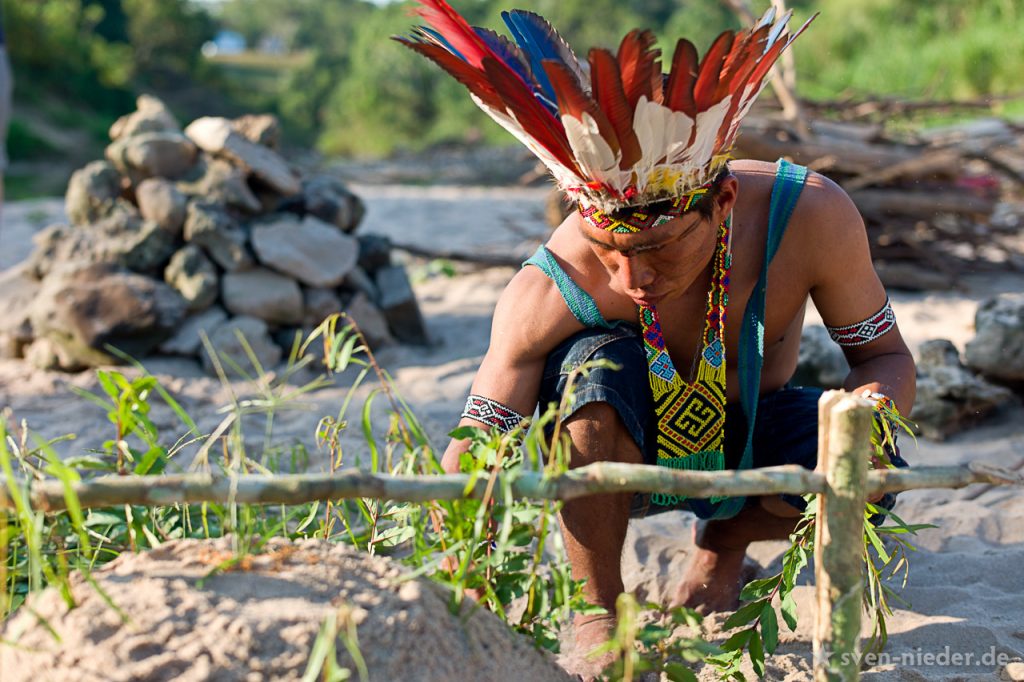
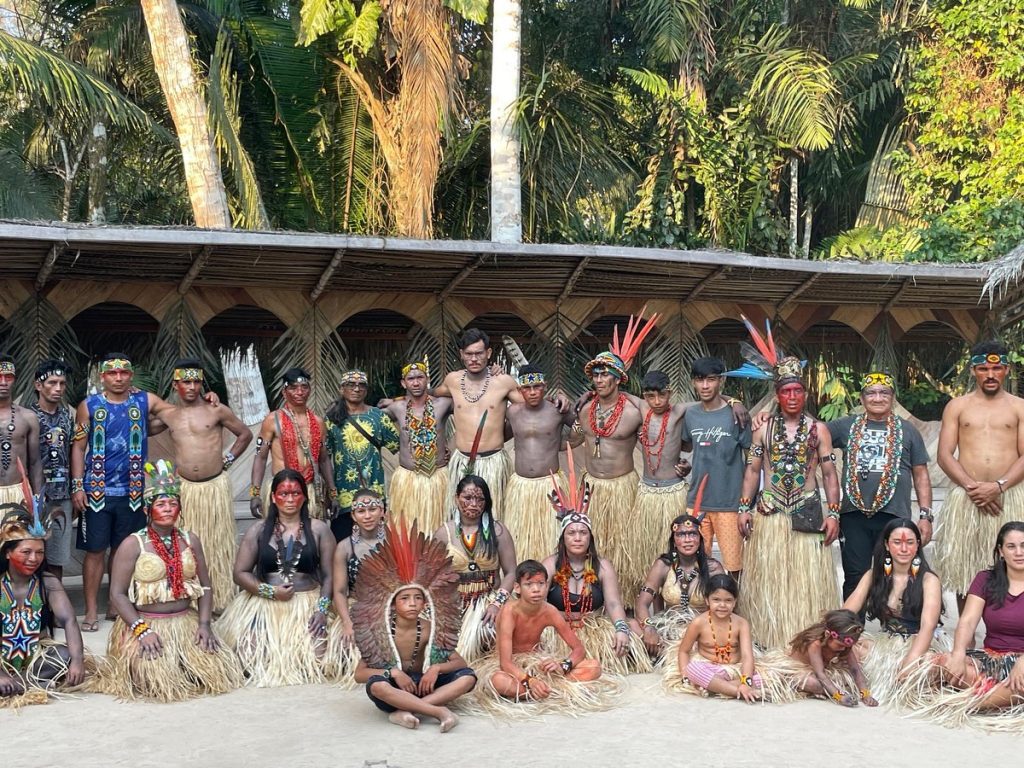
Kuntanawa History
Throughout the Amazon, the arrival of white men seeking to exploit rubber in the early 20th century led to the extermination of the local populations and their subsequent enslavement.
Within this context of the rubber plantation society, which united groups that were recognized as distinct, the term “caboclo” emerged, which in the state of Acre is synonymous with “Indian.”
Although the term is commonly used, it can carry a pejorative connotation, associated with laziness, uncleanliness, and untrustworthiness.
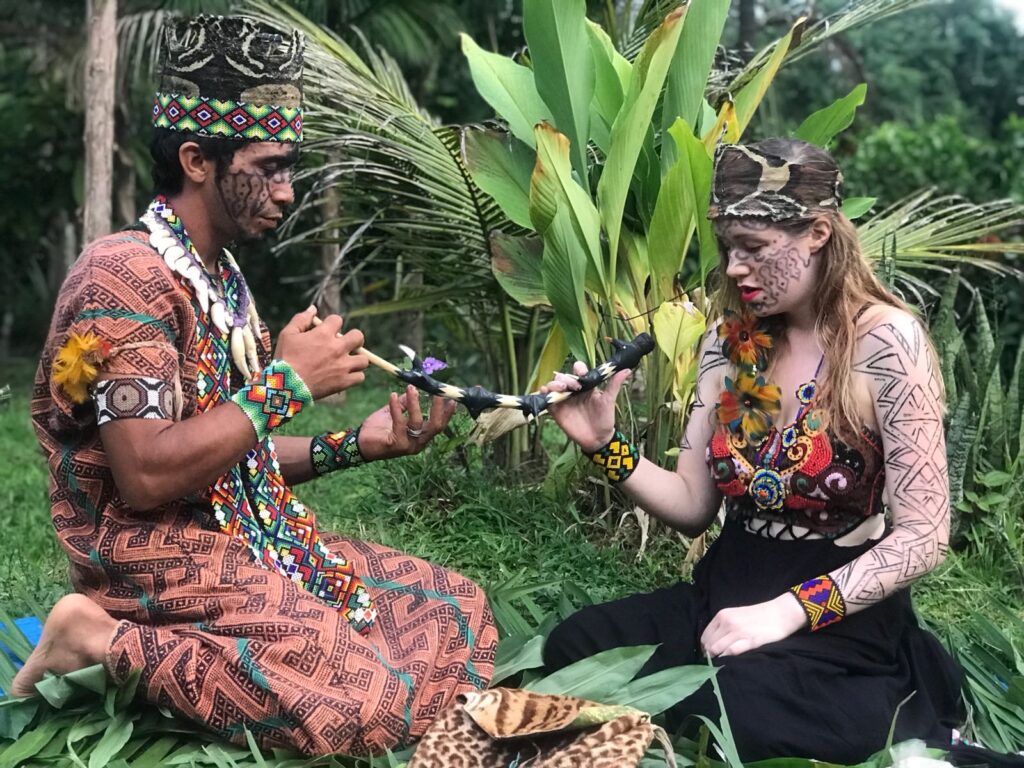
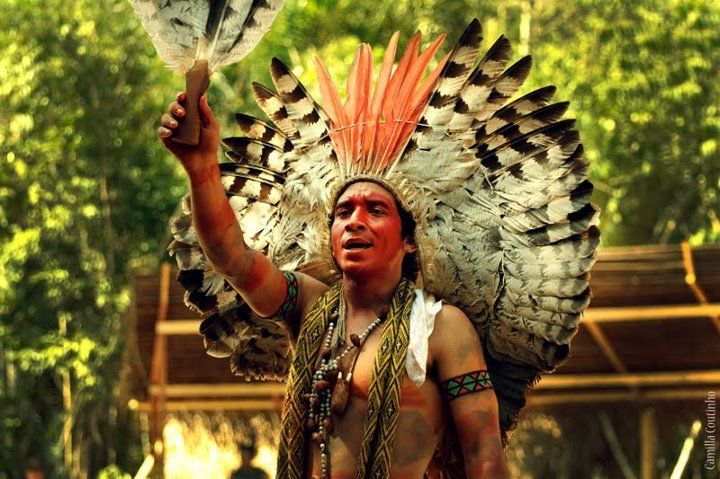
The foundational myth of Kuntanawa history is found in the stories of Dona Mariana about the capture of her mother, Dona Regina, in the forests of the Envira River at the beginning of the 20th century:
Dona Regina, a heroic Cabocla of the Kuntanawa, was forced to submit to the rubber barons’ society, marrying several rubber tappers, but she never abandoned her Indigenous heritage, which she bequeathed to her daughter Mariana. She became known as an excellent midwife and expert in forest medicines.
Following in her mother’s footsteps, Mariana became one of the most renowned midwives on the Tagus River and also an expert in medicinal herbs. In Jordão, they both lived with the Huni Kuin people who inhabited the area, and Dona Regina encountered some of her ethnic relatives.
Mariana married Mr. Milton, and her sons and daughters lived within the rubber barons’ society, working as rubber tappers for the landowners. They called her “Cabocla Mariana.” At that time, they were already living on the banks of the Tagus River, on a rubber plantation. Several of their ten children were already married, and they began having grandchildren.
In the 1970s and 1980s, Milton’s children were known as “Milton’s caboclos.”
In the late 1980s, Milton and several of his children traveled through the region. During these trips, they met with renowned shamans and participated in several ayahuasca ceremonies. Afterward, at least two of Milton’s children began preparing ayahuasca and performing rituals with the brew.
With the consumption of this ancestral beverage, which the late Doña Regina spoke of when recounting the culture of her people, the reference to their Indigenous ancestry became more prominent, and several accounts tell of contact, under the influence of the brew, with beings from the Indigenous universe.
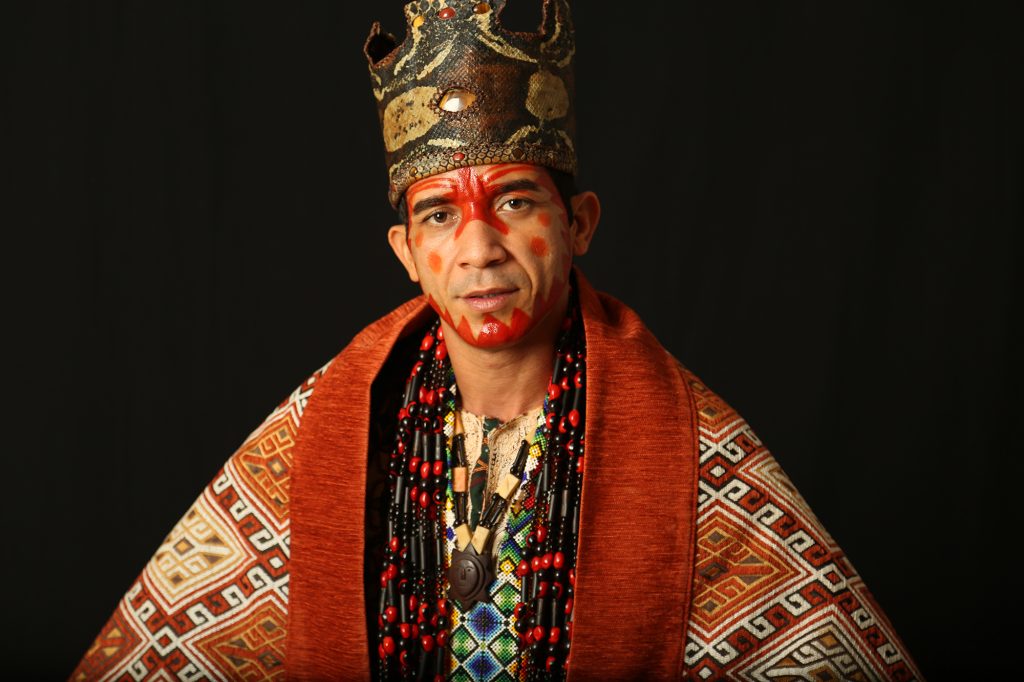
The Miltons began a struggle to reconstruct their identity as an Indigenous Amazonian people. Osmildo, one of Milton’s sons and a current leader in the fight for Indigenous recognition, in 1991, upon returning from a trip to document and visit Indigenous Lands, incorporated Indigenous elements into his clothing, such as necklaces and headbands.
During ayahuasca sessions, he would often sing in the indigenous language of the Huni Kuin. Among Milton’s sons, he was the one who most frequently invoked and publicly embraced his indigenous heritage.
Pedrinho, another of Milton’s sons, also began preparing ayahuasca after a remarkable experience under the influence of the brew, in which it “authorized” him to do so.
Little by little, Milton and his sons formed a family unit, mostly male, that began to meet periodically to take ayahuasca, a custom they still maintain.
Under the guidance of ayahuasca, and with the support of shamans, Kuntanawa shamanism emerged. The young Kuntanawa, Milton’s grandchildren, learned to listen to nature in open-air rituals with ayahuasca and the guidance of more experienced individuals.
They also composed songs that recounted Kuntanawa history, which became known throughout the community. They sang Ícaros under the inspiration of the ritual drink, as well as the ayahuasca songs of their relatives Kaxinawa and Yawanawa.
Kuntanawa Territory
The Alto Juruá Reserve was the first of its kind created in Brazil, in 1990. It was the result of social mobilization by residents, including the “caboclos of Milton,” led by the National Rubber Tappers Council and union members.
“The Miltons” were rubber tappers of Indigenous origin whose path led them to fight for a common territorial claim, alongside other rubber tappers. Their participation in the struggles for the creation of the Cooperative and the reserve itself brought changes to the lives of Milton and his family. Several of them assumed positions as managers of cooperative centers or worked in other related roles, such as captaining rubber boats.
All of this brought benefits, such as higher wages and direct access to consumer goods. “The Miltons” were the focus of attention, and the group the regional coordinator could rely on for the projects that were subsequently implemented in the area.
In 2002, shortly after the Association’s elections and the failed attempt to create a new association, the Kuntanawa people articulated their ethnic schism: “We are different, we are another people.”
This statement, in turn, led to the establishment of relationships with new mediators, such as the Indigenous Missionary Council and the Organization of Indigenous Peoples of the Juruá River.
A few years later, groups dissatisfied with the Association’s leadership founded two new associations: the Agro-extractive Associations of the Tagus River and the Juruá River.
The Kuntanawa supported the new associations, while simultaneously continuing their own process, demanding ethnic recognition and the demarcation of their territory within the reserves. This ultimately led to their separation from the new institutional representations of the Reserve.
But the agreements reached were not honored by other inhabitants of the area, and in 2006 the Kuntanawa expressed their outrage at the failure of the “Reserve Laws,” created by the residents themselves.
The conquest of their own territory thus acquired another justification: environmental concerns. There, they assert, predatory exploitation like that occurring in the reserve, which is affecting resources such as game and timber, will not be permitted. From then on, they began to discuss the creation of “refuge” zones within their Indigenous Territory.
For years, the Kuntanawa petitioned the National Foundation for Indigenous Rights of Brazil for the demarcation of their Indigenous Territory, an objective they achieved in mid-2008.
Haru Kuntanawa appeared at the UN General Assembly, alongside Prince Raoni, the leader of the Kayapó people, in their efforts to support and defend the Amazon rainforest and their people from corporate corruption: logging, hydroelectric, mining, and agricultural contractors pose a threat to Amazonian tribes, who must be protected by the international community.
Haru and his wife Hayra also defend their territory through their organization, Ascak. They do so by offering ceremonies using medicinal plants, their voices, and music.
“This form of healing will help people connect with the earth and awaken their consciousness to live in harmony with the rest of the world. We alone cannot save the earth; the unity of humankind is essential.”
Reconstruction of the Kuntanawa Society
The Kuntanawa are an ethnic group that has been on the verge of extinction and is currently undergoing reconstruction in all aspects: language, arts, rituals, and territory.
There are initiatives to visit and stay in neighboring Indigenous Lands to reconstitute their people’s language through similar languages, especially that of the Huni Kuin. They are also adopting Indigenous names again, instead of names of Latin origin.
Likewise, they are reviving the craft traditions of Doña Mariana and those existing in neighboring Indigenous Lands. They are also recovering painting, through experiences with ayahuasca and the stories of Doña Regina, still alive in Doña Mariana’s memory.
There are plans for a large migration, with the goal of reuniting all the descendants of Milton and Doña Mariana, and some communities are already beginning to settle.
In 2008, they were awarded the Xicão Culture Prize (government of Acre) for songs composed by some young Kuntanawa people. This same group, led by Haru, Milton’s grandson, has compiled video footage and is currently producing a film about the Kuntanawa.
In the words of Haru Kuntanawa: “We will work tirelessly to defend the rights of our people and ensure the sustainability of the forest for future generations.
We will educate and empower our communities to understand the importance of the forest and participate in its protection and preservation. We will also continue collaborating with local and international organizations to promote sustainable development and raise awareness about the importance of the Amazon rainforest.”
DOCUMENTARY: Kuntanawa Transform & Illuminate
Haru Kuntanawa – Vukana
Kuntanawa Ceremony
Haru Kuntanawa Songs
Unity – Kuntanawa
Kuntanawa Rapé Circle
Kuntanawa
28,00€
Kuntanawa
26,00€
Kuntanawa
29,00€
Kuntanawa
25,00€


