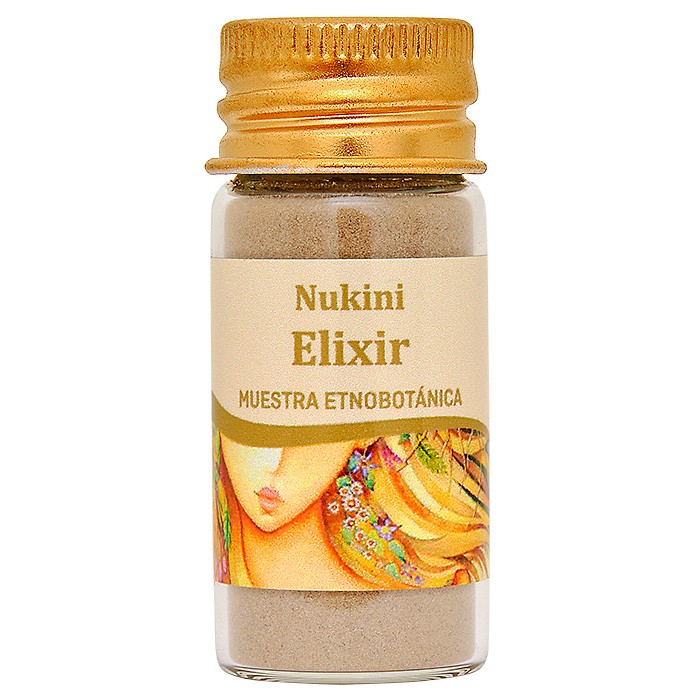

Rapé Elixir
Elixir de Vagem is a plant deeply connected to the river and to the living pulse of the forest — a very special variety within the Nukini tradition, born from its bond with floodplain areas and with the moment when the waters recede during the dry season, when the earth reveals itself once again.
This variety is a medicine of quiet, protective character, full of presence, shaped by an intimate relationship between plant, water and harvest time. Elixir carries a spirit deeply tied to the territory, where forest knowledge and the rhythm of the river remain intertwined.
🌿 Variety Details
🍂 Composition:
-
Amazonian Mapacho Sabiá (Nicotiana rustica)
Mapacho Sabiá is part of the Nukini rope mapacho tradition, where the leaves are dried, fermented and worked into rolls that concentrate the knowledge passed down through their preparation. Within the rapé, it provides strength, body and a firm base that sustains the blend, being one of the most valued varieties among forest artisans for crafting these medicines.
-
Tsunu Ash
Tsunu ash is one of the most widely used elements in Amazonian rapé making. It brings structure, texture and balance to the variety, accompanying the mapacho and allowing the rapé to develop its character with greater clarity.
-
Elixir de Vagem
An exotic plant especially valued within this variety, linked to the river floodplain areas and to the dry season, when the water recedes and allows its harvest. Its presence gives the rapé a special character, deeply connected to the territory and to the living pulse of the forest.
🍂 Ceremonial use
Elixir is a variety especially suited for protection work, cleansing and spiritual accompaniment. Its quiet and protective character makes it very fitting for moments of preparation before more intense ceremonies, as well as for spaces of introspection where balance, connection and presence are sought.
It is also ideal for a more contemplative everyday use. Within the Nukini tradition, its bond with care and protective practices gives this variety an especially valuable place.
🍂 Details:
Tribe: Nukini
Region: Alto Juruá, Acre (Brazilian Amazon)
Composition: Mapacho Sabiá, Tsunu Ash, Elixir de Vagem.
Balance: Balanced.
Character: Protective, linked to the territory and natural cycles.
Format: 10 ml jars (approx. 8–9 g)
Use: Amazonian ethnobotanical sample
🌸 Elixir De Vagem
Elixir de Vagem and the River Cycle
Elixir de Vagem is the name given to the plant that defines the identity of this variety within the Nukini line. Its name preserves a direct relationship with the place where it grows and with the way it is recognised within traditional knowledge.
Elixir de Vagem grows in forest areas known as várzea — zones that remain covered by water for much of the year. These are spaces where the terrain constantly shifts between periods of flooding and moments when the land becomes exposed again.
This type of environment defines the place where the species appears and the conditions under which it can be harvested. It is a territory that opens during a specific phase of the cycle, when the water level drops and grants access to these areas.
Access to these zones is only possible during the dry season, when the water recedes and reveals areas that remain submerged for most of the year — and it is then that the plant can be located and collected.
This characteristic places Elixir de Vagem among a group of species whose presence is tied to specific times of the year, and it is considered a highly valuable species due to that limited availability over time.
Access to these zones and the harvesting of these plants form part of a body of knowledge linked to observing the environment and following its cycles. The Nukini recognise the moment when the territory opens and know when it is possible to enter these areas to find what has remained hidden for months.
Elixir de Vagem expresses a form of knowledge bound to the territory, where its availability and its incorporation into the blend arise from that intimate relationship with the rhythms of the forest.
Within this ecosystem, other plants associated with care and bathing practices also appear, such as Catinga de Mulata, Cravinho, Lourinho, Rosa Blanca and Samsara. Each belongs to its own tradition, and together they place this variety within a broader body of knowledge where plants relate to water, to the body and to the cycles of the forest.